
Home Theaters
Double-click to edit...
Double-click to edit...
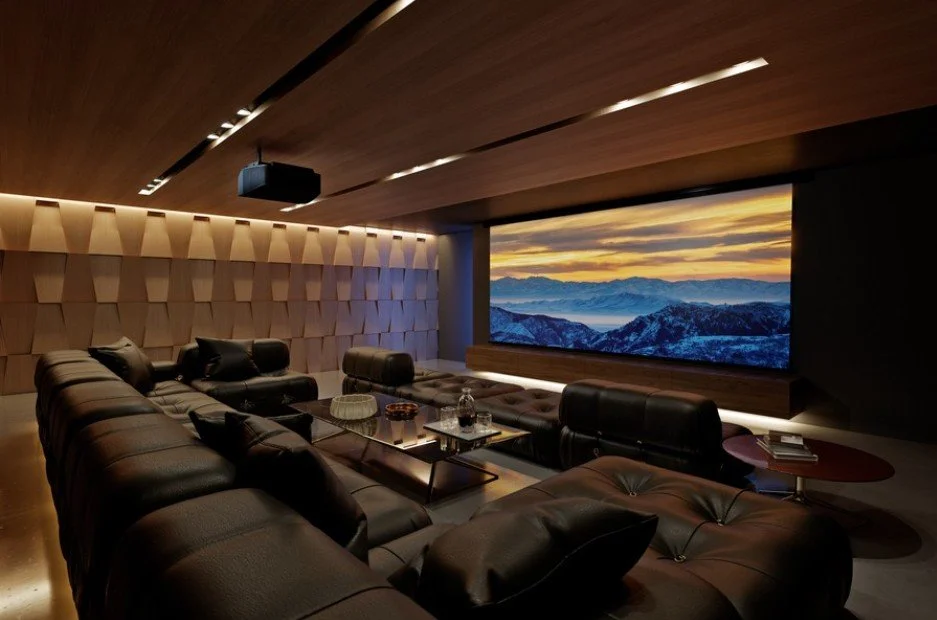
The average luxury movie theater home project budgets between $60,000 to $150,000 and yields a 70% to 120% return on investment, adding about 8% to 12% of a property’s value. From an ROI perspective alone, this is worth your investment. Additionally, you can’t put a price on creating a home theater that transforms movie night into a cinematic experience for your family and friends. Select a local home theater group with a good reputation to make the process simple and work with an interior designer to make the final result stylish—start with the essentials below and let professionals help you bring them together.
Room and Layout
Choose a dedicated room or define a clear zone. Dark, rectangular rooms with minimal windows deliver the best results. Remember that the goal is to reduce ambient light to maximize your movie viewing experience.
Seating arrangement matters: center seats on the screen, allow adequate viewing distance (roughly 1.5–3 times screen diagonal for HDTV, 1–1.5 times for 4K), and plan for comfortable sightlines and aisles.
Screen and Display
Decide between a projection system or a large flat-panel TV. Projectors give an authentic theater feel for larger screens; OLED and premium LED TVs offer superior contrast and color in brighter rooms.
Match screen size to room and seating distance. Bigger is better when the room allows you to maximize the experience—just ensure resolution and viewing distance support it.
Sound System
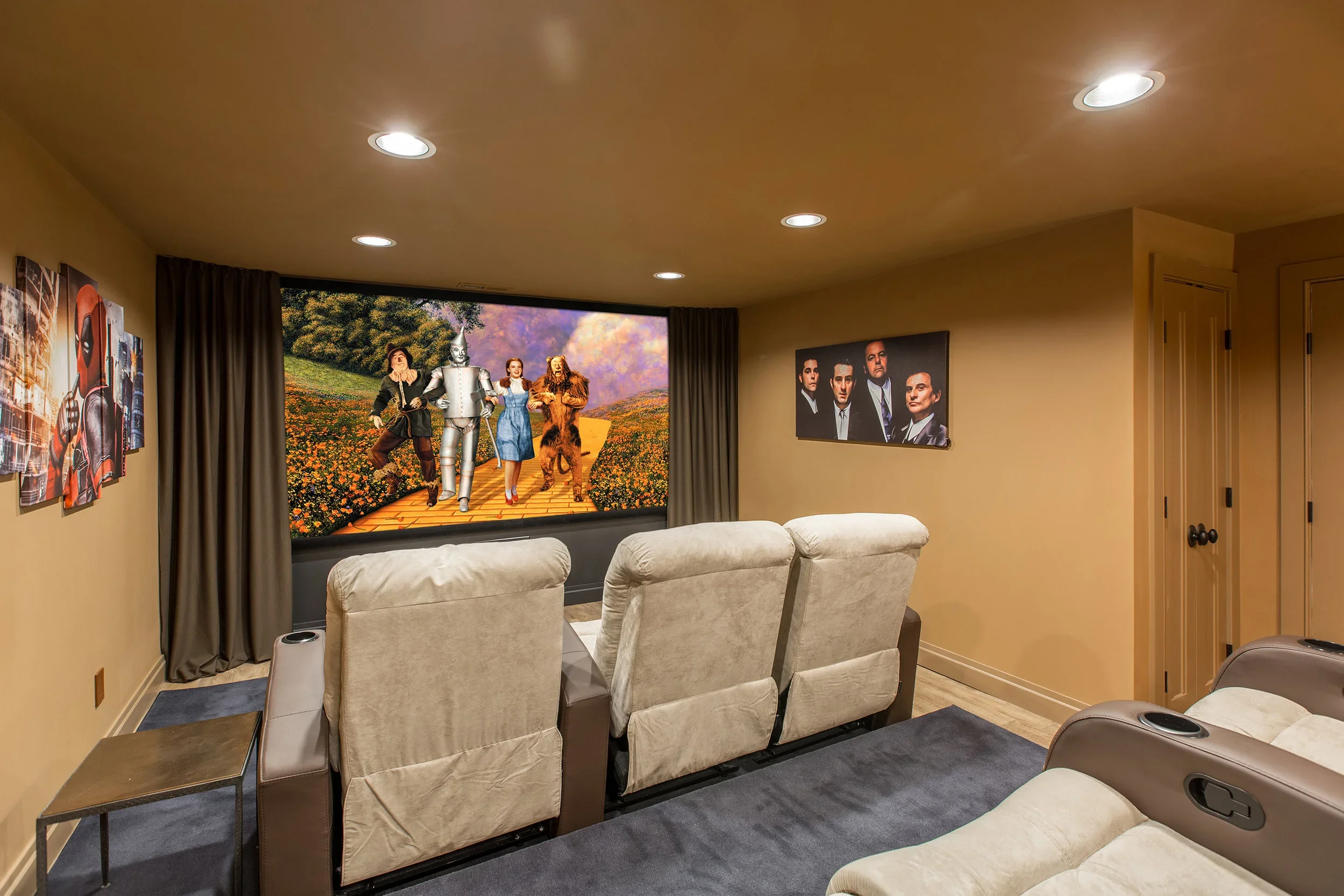
Invest in a true surround-sound setup: a 5.1 system is the baseline (front left, center, front right, two surrounds, and a subwoofer). Consider Dolby Atmos or 7.1 for immersive height and rear channels.
Quality speakers and a capable AV receiver matter more than name-brand bells and whistles. Place speakers for balanced coverage and proper imaging.
Double-click to edit...
Double-click to edit...
Acoustic Treatment
Address sound reflections with absorptive materials: heavy curtains, acoustic panels, and thick rugs reduce echo and improve sound clarity.
Bass trapping in corners controls low-frequency buildup. Proper treatment enhances both dialogue intelligibility and music detail.
Lighting and Control
Install dimmable, layered lighting: ambient lights for entry, task lights for reading, and bias/backlighting to reduce eye strain.
A universal remote or smart control system simplifies operation—single-button “movie mode” scenes for lighting, screen, and audio settings streamline the experience.
Comfort and Aesthetics
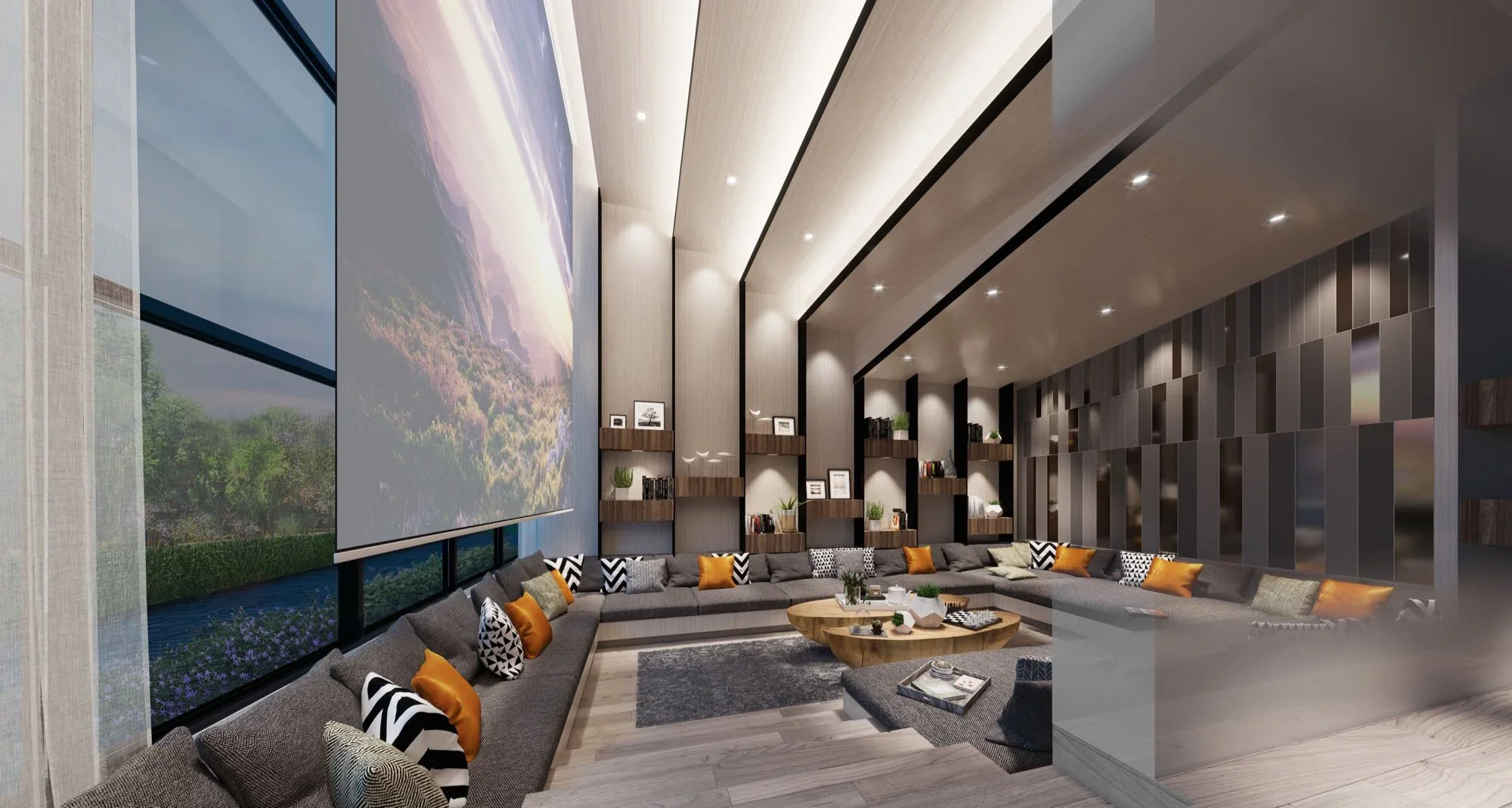
Choose seating that’s both supportive and arranged for sightlines. Recliners, tiered platforms, or a custom built-in sofa can elevate comfort and style. Amp up the cozy level with individual throws draped on each seat.
Finish choices—wall color, trim, and carpet—should minimize glare and complement acoustic solutions for a cohesive look.
Connectivity and Sources
Ensure high-quality source devices: 4K Blu-ray player, streaming device, or media server. Use high-speed HDMI cables and proper cable management.
Plan for future upgrades: extra HDMI inputs, network access, and space for additional equipment.
Power and Ventilation
Provide dedicated circuits for AV equipment to avoid interference. Use surge protection and power conditioners to safeguard gear.
Proper ventilation and quiet cooling prevent overheating and noise that can disrupt watching.
Double-click to edit...
Double-click to edit...
Insulation
Focus on sound control and thermal comfort: use dense materials like mineral wool or acoustic fiberglass in walls, ceilings, and floors to absorb mid- and high-frequency sound.
Add resilient channels or sound isolation clips to decouple drywall and reduce structure-borne vibration.
Seal all gaps, penetrations, and joints with acoustic caulk and weatherstripping to prevent airborne noise leaks.
Consider mass-loaded vinyl or additional layers of gypsum for added sound mass where low-frequency isolation is needed.
Insulate HVAC ducts and choose quiet vents or a dedicated mini-split to minimize mechanical noise.
Pay attention to doors and windows—solid-core doors with perimeter seals and double- or laminated-glass windows significantly improve isolation while maintaining thermal efficiency.
Professional Installation and Calibration
Professional speaker placement, room calibration, and display tuning maximize performance. A properly calibrated system delivers deeper bass, clearer dialogue, and accurate color.
Use a home theater vendor and experienced interior designer for guided selection and full installation services that save time and ensure peak performance.
Ready to start? Work with professionals to assess your space, recommend a tailored equipment list and layout, and handle installation so you can sit back and enjoy the show in comfort and style.