
Perfect Host: Turkey Day
Double-click to edit...
Double-click to edit...
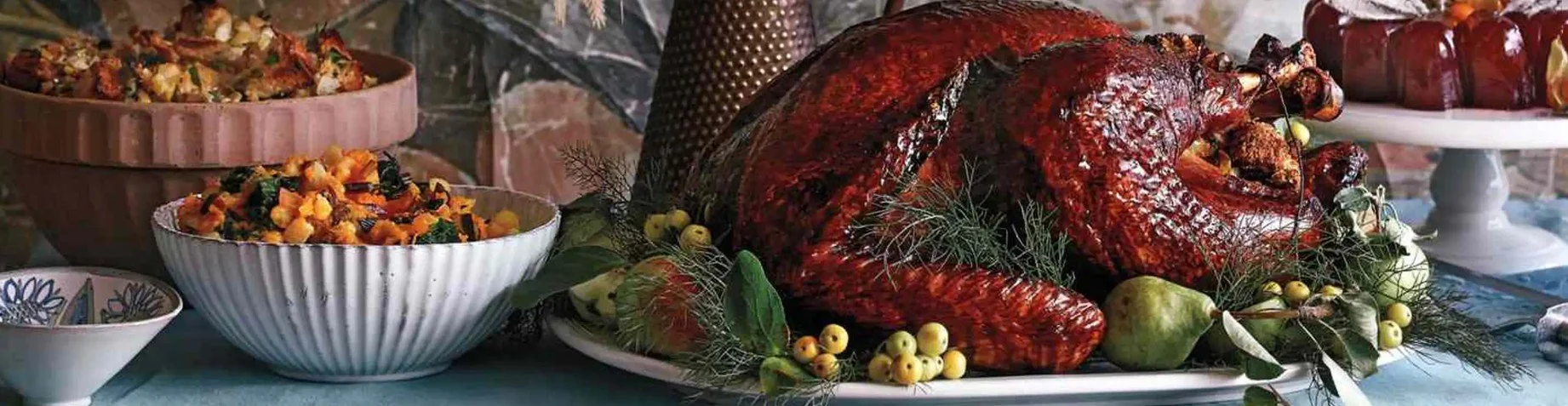
If you’re wondering where 2026 went, join the rest of us in bemoaning the sudden reality that this year is almost over! But realize that it’s time to shake off the Halloween cobwebs and get ready to set the stage for Thanksgiving. Here are a few essentials for Thanksgiving decorating.
Warm, layered color palette: Base your holiday design scheme on warm neutrals (cream, taupe) with accents in rust, deep ochre, olive, or burgundy for depth without overwhelming the space.
Natural centerpieces: Use seasonal elements on your dining table—pumpkins of varying sizes, gourds, dried grasses, seed pods, and a few late-summer branches—arranged at varied heights to keep sightlines for conversation.
Textiles for comfort: Swap lightweight fabrics for heavier linens and wool-blend throws. Place a runner or placemats to define the table and add cloth napkins for a polished look.
Lighting for atmosphere: Combine overhead lighting with candles and low-watt lamps. Use unscented candles on the dining table so they don’t compete with food aromas.
Functional decor: Include a labeled sideboard or console for drinks and serving ware, a tray for used cutlery and plates, and discreet storage for extra napkins or wipes.
Simple place settings: Keep settings uncluttered—plate, fork, knife, spoon, napkin, and a water and wine glass. Add a small name card or sprig of rosemary for a personal touch.
Double-click to edit...
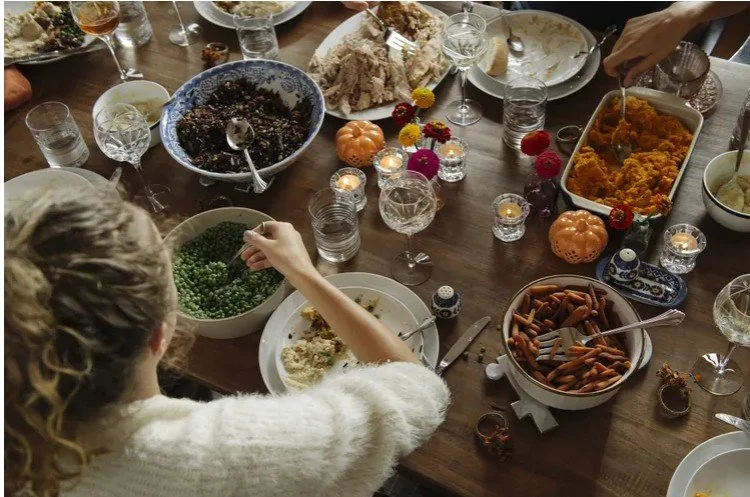
8 Thanksgiving Hosting Tips That'll Make the Day Run Effortlessly (Photo: The Good Brigade/Getty Images)
Double-click to edit...
You’ve set the perfect table. Now you can prepare to be the perfect host. Follow these tips.
Plan the flow: Prepare a timeline for cooking and serving so hot dishes can be served to your guests on time. Set up a clear buffet or plated service area to avoid congestion.
Welcome early arrivals: Offer a designated coat area, a beverage station, and a small appetizer or snack so guests feel settled while you finish final preparations.
Communicate dietary needs: Before the big day, be sure to ask your guests about allergies and preferences and have at least one clearly labeled alternative dish (vegetarian, gluten-free, etc.).
Delegate thoughtfully: Assign simple, specific tasks—pour drinks, refill sides, clear plates—so your designated helpers feel useful without interrupting your rhythm.
Maintain a calm pace: Keep table conversation light and inclusive. Have a few neutral topics or a simple question game to engage mixed groups. Some families have the tradition of going around the table and sharing what they’re thankful for.
Timing and temperature: Serve hot foods hot and cold foods cold. Use warming trays and oven timers; cover dishes with foil to retain heat when needed.
Comfort and accessibility: Ensure seating is comfortable and pathways are clear. Keep restrooms stocked with essentials like paper serviettes and toilet paper and provide an extra blanket or two for chilly guests who stay with you overnight.
End on a warm note: Offer coffee or after-dinner drinks with your Thanksgiving pies and desserts, and thank guests personally as they leave—small gestures sustain the evening’s goodwill.
A restrained, well-planned setting with natural materials and clear logistics lets you focus on hospitality—good food, attentive presence, and the warm company of your family, friends, and guests. Happy Thanksgiving!