
New Materials and Treatments
Double-click to edit...
Homes of the near future will feel smarter, cleaner, and more alive thanks to a new generation of materials and treatments. Here are just a few innovations that will propel your home to the next level.
Double-click to edit...
Double-click to edit...
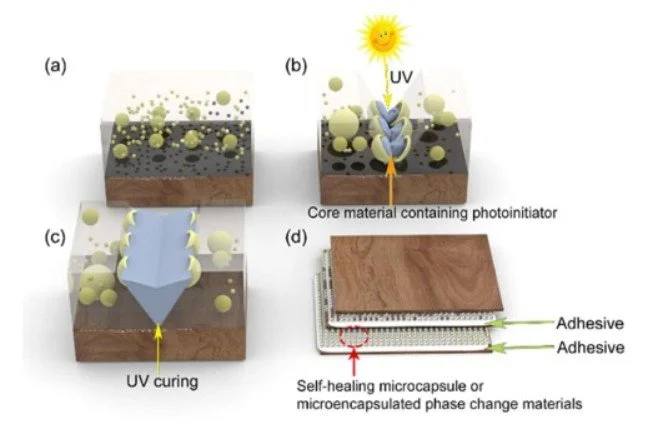
Self-healing surfaces are engineered materials that can autonomously repair scratches, abrasions, and microcracks through embedded chemistries or dynamic physical networks, restoring appearance and structural integrity without external intervention; technologies include microencapsulated healing agents that release and polymerize when damage occurs, reversible covalent bonds or supramolecular interactions that reform under ambient conditions, and thermally or UV-activated systems that flow and re-bond to close defects. These surfaces extend product life, reduce maintenance costs, and maintain aesthetic continuity in high-use environments such as furniture, countertops, cabinetry, flooring, and architectural finishes, while design considerations balance healing speed, durability, environmental resistance, and compatibility with surface texture and color to ensure performance without compromising visual or tactile qualities.
Double-click to edit...

Double-click to edit...
Antimicrobial finishes for the home are surface treatments—applied to paints, countertops, cabinetry, textiles, and hardware—that inhibit the growth of bacteria, mold, and mildew, helping maintain cleaner surfaces between regular cleaning; they work by embedding or coating materials with agents such as silver ions, copper alloys, or other antimicrobial compounds that disrupt microbial cell function, and are particularly useful in high-touch areas like kitchens, bathrooms, and entryways. While these finishes can reduce microbial loads and contribute to a healthier-feeling environment, they are not a substitute for routine cleaning and proper ventilation, and homeowners should consider factors such as durability of the finish, potential effects on indoor air quality, documented efficacy against specific organisms, and any regulatory or safety information when choosing products.
Double-click to edit...
Double-click to edit...
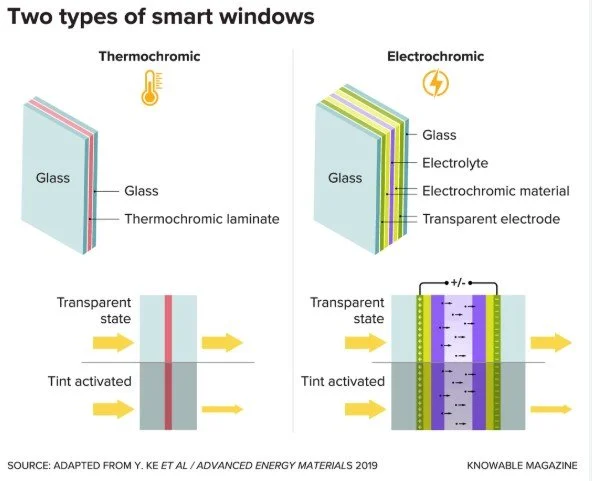
Thermochromic and electrochromic materials offer dynamic, energy-conscious solutions for the modern home: thermochromic coatings and films change color or transparency in response to temperature shifts, useful for passive solar control on windows, temperature-indicating surfaces, or decorative accents that respond to sunlight; electrochromic glass and panels change tint when a small electrical voltage is applied, enabling on-demand glare reduction, privacy control, and improved HVAC efficiency by modulating solar heat gain. Both technologies can reduce reliance on blinds and curtains, enhance occupant comfort, and contribute to energy savings when integrated with smart-home controls, though durability, response time, lifetime cycling, and upfront cost vary between materials and manufacturers, so specification should consider window size, climate, control strategy, and maintenance requirements.
Double-click to edit...
Double-click to edit...
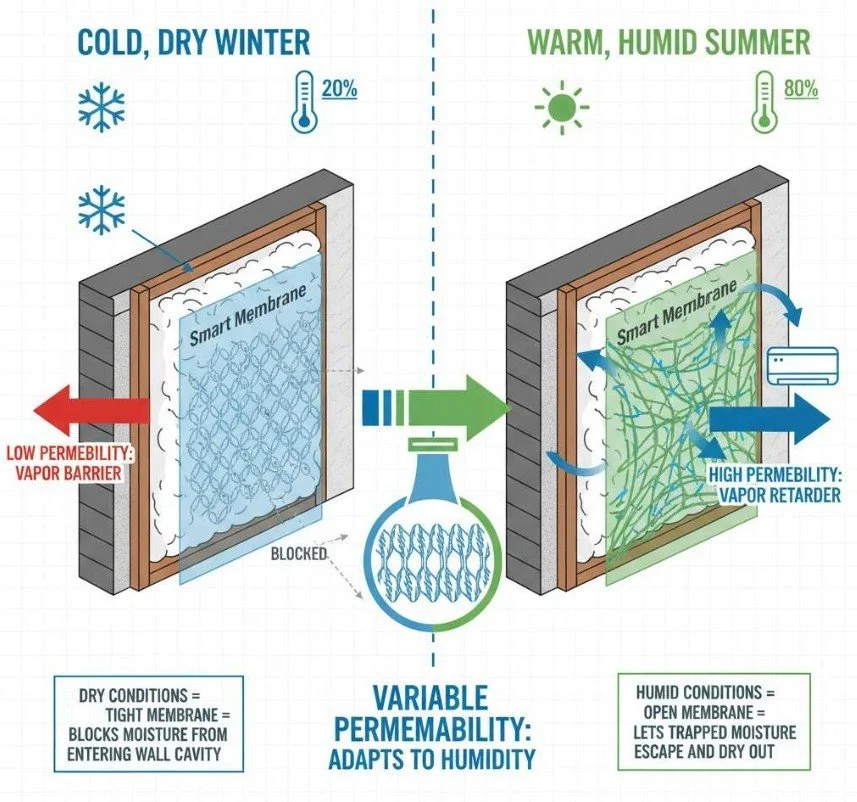
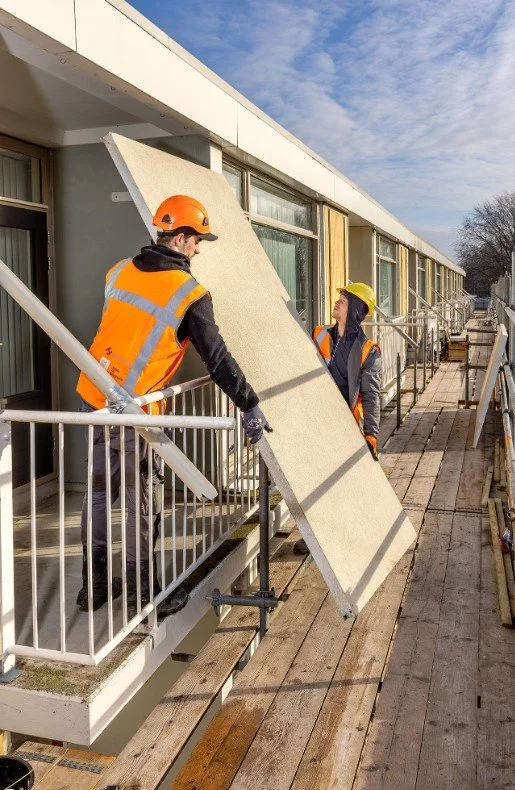
Breathable, moisture-regulating wall systems paired with next‑generation vapor‑permeable insulations create a healthier, more durable home envelope by allowing controlled transfer of water vapor while preventing liquid water intrusion; these systems balance indoor humidity, reduce condensation risk in wall assemblies, and help maintain consistent thermal performance by letting trapped moisture escape rather than accumulate in insulation or framing. Modern vapor‑permeable insulations—such as advanced mineral wool, open‑cell foams engineered for capillary action, and specialized aerogel composites—offer high R‑values with low moisture retention, resist mold growth, and retain insulating properties when exposed to variable humidity. When integrated with smart vapor retarders, breathable exterior claddings, and careful detailing at penetrations and transitions, they support passive drying, lower energy use for humidity control, and extend service life of building materials, making them a practical choice for resilient, comfortable homes.
Double-click to edit...
Double-click to edit...
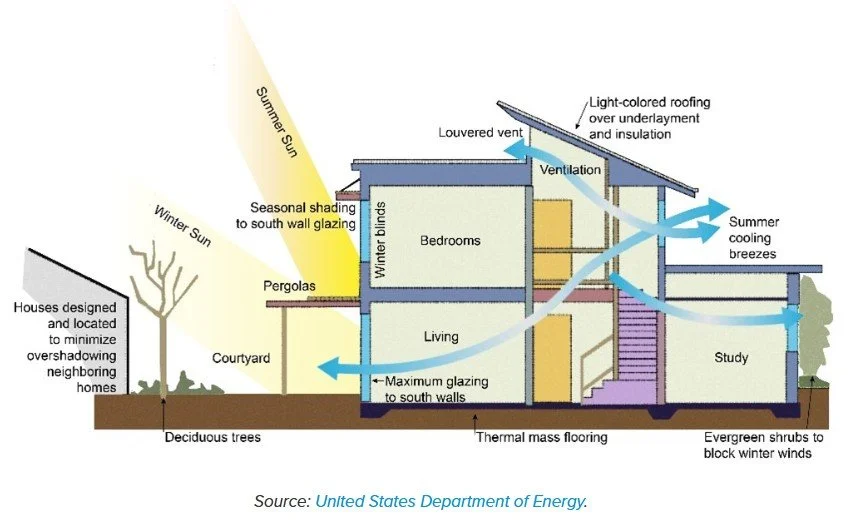
Passive radiative cooling materials and phase-change composites offer complementary strategies for reducing energy use and improving comfort in the home: passive radiative coatings and roof membranes reflect sunlight and emit infrared radiation through the atmospheric window to shed heat to the cold sky, lowering surface temperatures without electricity, while integrated phase-change materials (PCMs) store and release latent heat at targeted temperatures to smooth indoor temperature swings and shift cooling loads to off-peak periods. When used together—for example, a reflective, high-emissivity roof system layered over PCM-enhanced ceiling panels or insulated wall assemblies—these technologies can reduce peak cooling demand, improve nighttime comfort by releasing stored coolness, and extend the effective thermal lag of the building envelope. Proper selection of PCM transition temperature, encapsulation method, and integration details (ventilation, vapor barriers, and compatibility with existing insulation) is essential to avoid moisture issues and ensure long-term performance; likewise, radiative materials must be durable and dirt-resistant to maintain reflectance and emissivity. Thoughtful design and professional installation can make these passive and phase-change systems a cost-effective part of a resilient, lower-energy home.
Double-click to edit...
Double-click to edit...
Bio-based composites and reclaimed-material laminates bring sustainable performance and distinctive character to the home by combining renewable fibers, plant-derived resins, and salvaged substrates into durable, low‑emission surfaces and furnishings. Engineered from materials such as flax, hemp, bamboo, and bio‑resins, bio-based composites offer strength and lightness comparable to conventional plastics while reducing embodied carbon; paired with laminates made from reclaimed wood, metal, or post-consumer paper, they create layered aesthetics that celebrate patina and history. These materials are increasingly formulated for moisture and UV resistance, easy maintenance, and formaldehyde-free finishes, making them suitable for cabinetry, countertops, wall panels, and furniture without sacrificing performance. Thoughtful specification—matching the right composite formulation and reclaimed base to the application—ensures longevity and ease of repair, while visible reclaimed textures can be used intentionally to add warmth, contrast, and a narrative of sustainability to interior schemes.
Double-click to edit...
Double-click to edit...
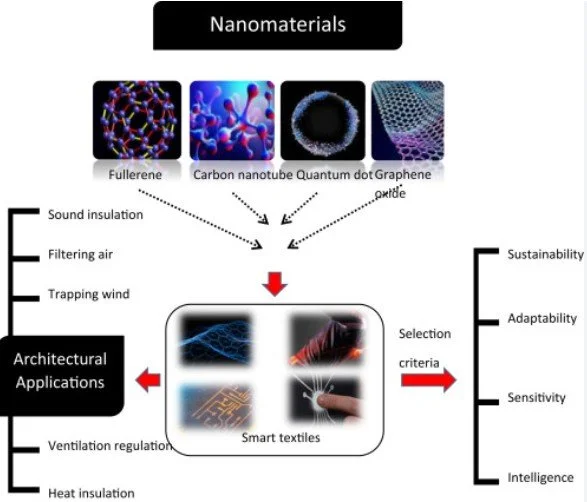
Smart textiles and furniture coverings are transforming the home by integrating responsive materials and embedded technology that enhance comfort, durability, and functionality; fabrics now can regulate temperature, wick moisture, resist stains, neutralize odors, and even monitor occupancy or vital signs through discreet sensors, while coverings with phase-change materials or conductive fibers adjust to body heat for personalized comfort, and antimicrobial finishes increase hygiene in high-use areas. These innovations allow upholstery and drapery to adapt to light and sound conditions—improving energy efficiency and acoustics—while smart coatings and nanofibers extend lifespan and simplify maintenance, reducing the need for harsh cleaning. Designers balance performance with aesthetics by combining tactile, natural-feeling surfaces and sustainable fibers so smart coverings feel familiar in the home while delivering unobtrusive functionality, and modular systems enable easy updates as new smart features evolve. As connectivity and battery-free options (like energy harvesting or passive sensors) mature, homeowners can expect smarter, longer-lasting textiles that integrate seamlessly into interior schemes without compromising comfort or style.
Double-click to edit...
Double-click to edit...
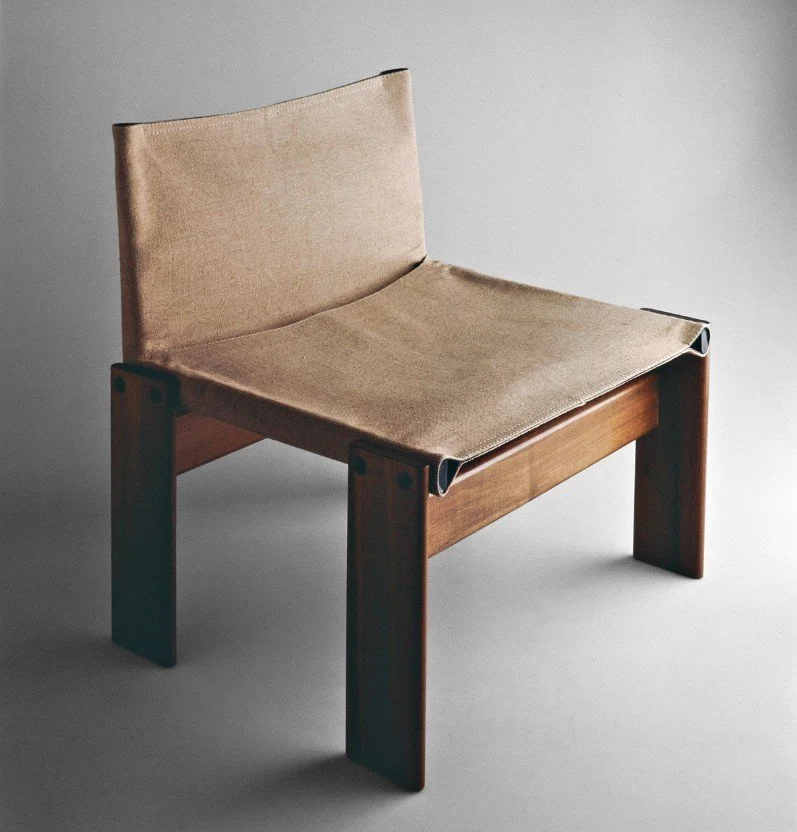
Recyclable assembly methods and chemically recoverable adhesives are reshaping sustainable home design by enabling furniture and fixtures to be disassembled into clean, reusable materials; mechanical fastenings, reversible joinery, and snap-fit components allow parts to be separated without damage, while adhesives formulated for selective depolymerization or solvent-triggered release permit bonded assemblies to be undone and recovered chemically for recyclate streams. These approaches reduce landfill waste and improve material circularity by maintaining polymer and wood quality, lower energy and resource input compared with virgin production, and support repair, refurbishment, and modular upgrades that extend product life. For practical adoption in the home, manufacturers must balance bond strength, indoor air quality, and ease of recovery—providing clear disassembly instructions and compatible recycling pathways ensures homeowners can participate in a circular economy without compromising durability or safety.
Search online for existing products that can help make your home more sustainable, healthy, and future forward.